SCHOOL SPORTS PROGRAM

Building Active Learners, Skilled Players and Future Athletes

A structured, age-appropriate school sports program designed to develop movement skills, physical literacy, fitness, teamwork, sporting confidence and long-term athletic potential from early childhood through Grade 12.

What Is the School Sports Program?


The School Sports Program is a progressive physical education and sports pathway that supports students at every stage of their development. It begins with movement and play in early childhood, builds physical literacy and foundational sports skills during the primary years, and progresses towards sport specialization and competitive performance in middle and high school.

At Eduvent Solutions, every program is planned according to the students’ age, developmental stage, ability level and the school’s available infrastructure. Our approach combines enjoyable participation, structured learning, professional coaching and continuous development.

Our Progressive Sports Pathway


Age-appropriate development from early movement learning to competitive sporting excellence.

Early Childhood

Learning Through Movement & Play

Movement-based activities help young children develop fundamental motor skills while supporting cognitive, social, emotional, behavioural and language development through enjoyable and imaginative play.

Primary Sports Program

Building Physical Literacy Through Sports

Students strengthen movement skills, fitness, coordination, teamwork and sportsmanship while being introduced to age-appropriate sports techniques and movement concepts.

Middle & High School Sports Program

Developing Future Athletes

Students identify suitable sports, develop technical and tactical abilities, gain competitive experience and prepare for lifelong participation or athletic excellence.

Why School Sports Matter
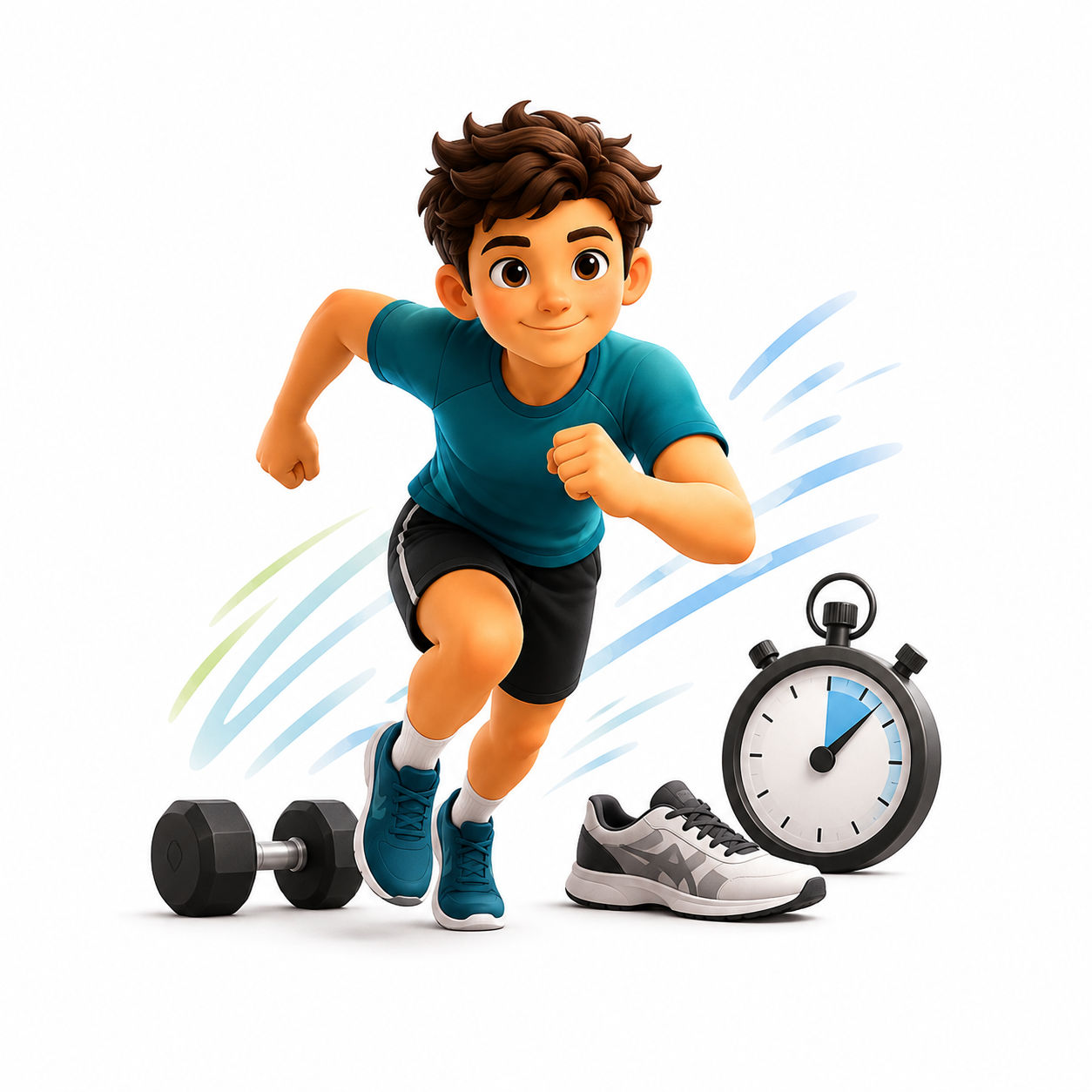

Quality sports education supports physical development, learning, confidence, character and lifelong wellbeing.

Physical Development

Improves fitness, coordination, balance, agility, strength, endurance, flexibility and overall movement ability.
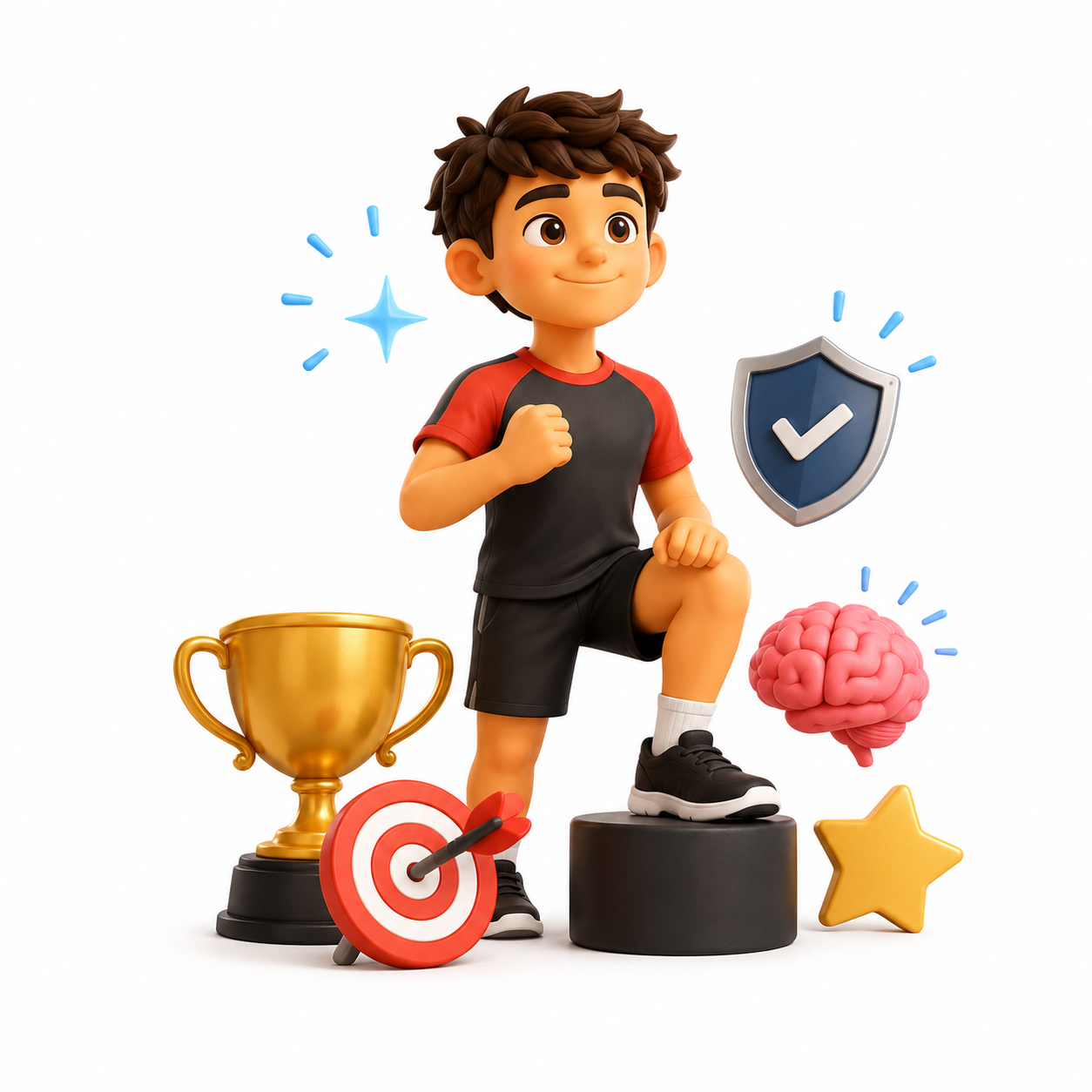
Cognitive Growth

Movement and game situations strengthen concentration, observation, strategic thinking, decision-making and problem-solving.
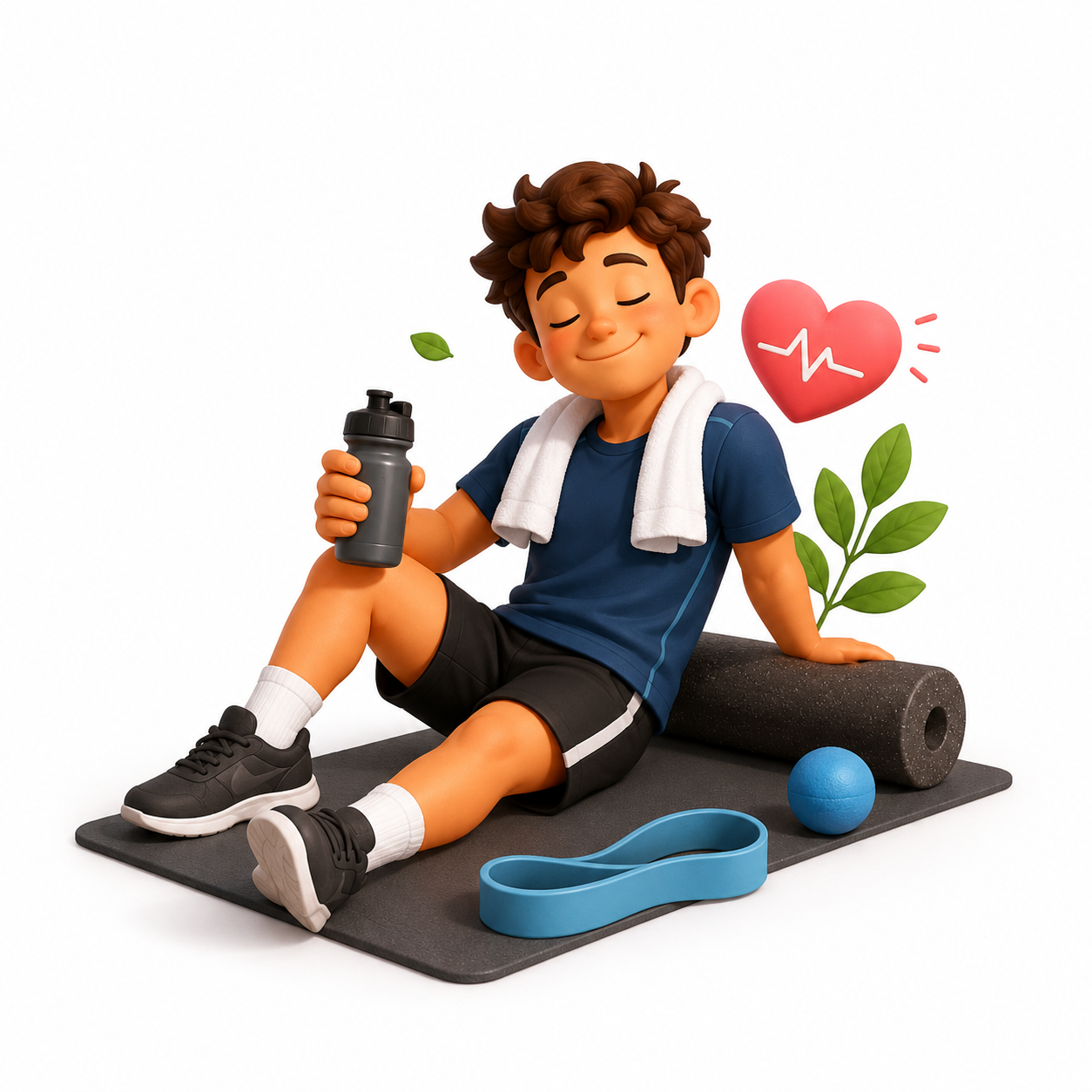
Social & Emotional Growth

Team activities encourage communication, cooperation, confidence, patience, resilience and positive peer interaction.
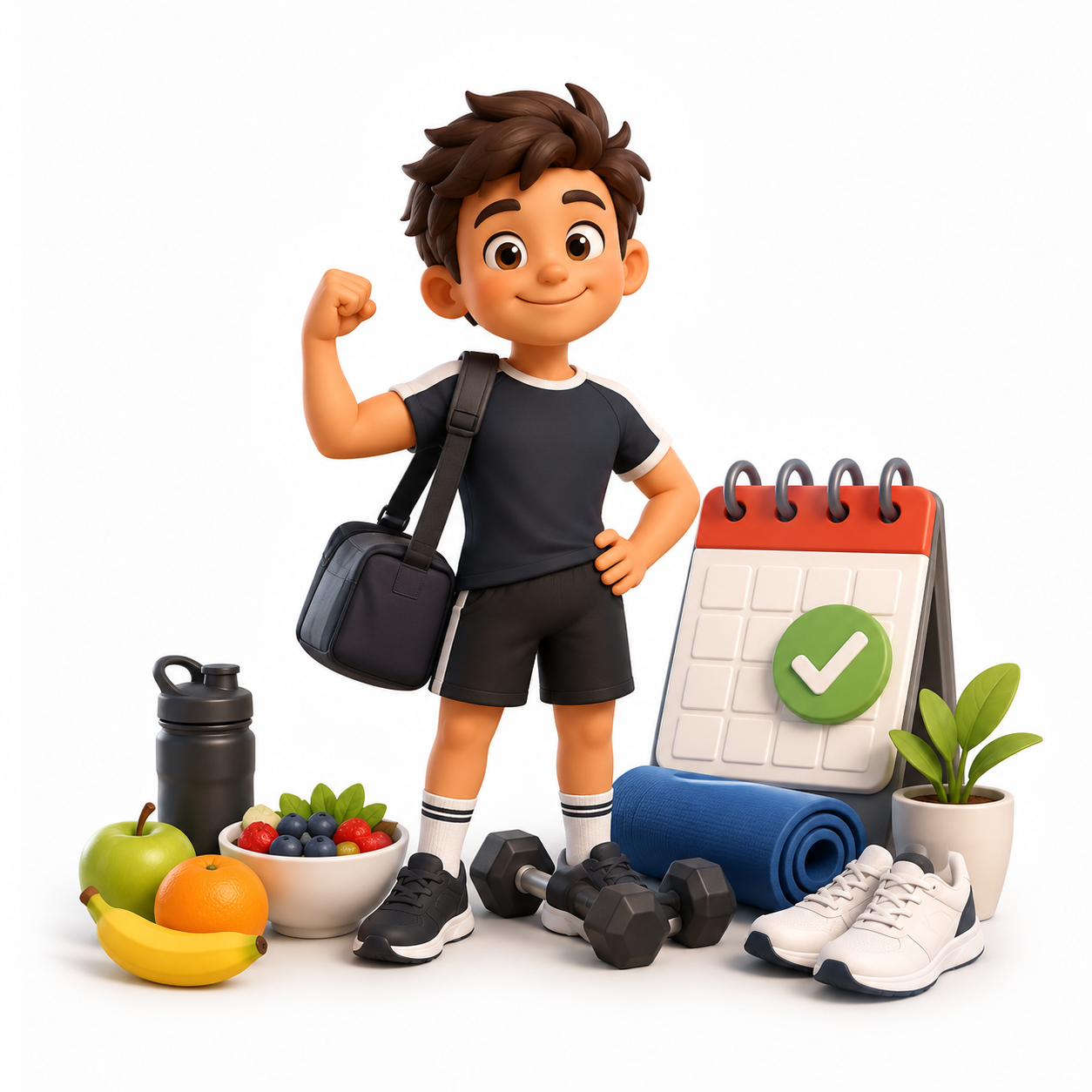
Discipline & Sportsmanship

Students develop responsibility, fair play, respect, perseverance and a positive attitude towards challenges and competition.

Who Can Benefit from School Sports Program?

Early Childhood • Grades 1–5 • Grades 6–12 • Schools • Educational Institutions

Our School Sports Program is suitable for institutions seeking a structured physical education pathway that supports movement development, fitness, sports participation, talent identification and competitive preparation across different age groups.

Early Childhood Sports Integration Program
Learning Through Movement: A Holistic, Age-Appropriate Approach

The program is designed to engage Early Childhood (EC) students in sports and movement-based activities that support both physical development and academic learning. Through play, exploration, and age-appropriate physical activities, children develop foundational movement skills while strengthening cognitive, social, emotional, and language abilities. The activities are designed to complement classroom teaching by making learning enjoyable, interactive, and experiential.

AIM


  • To create a positive and inclusive classroom environment that promotes social interaction, cooperation, and confidence.
  • To develop fundamental non-locomotor and locomotor movement skills through structured play and physical activities.

OBJECTIVES


1. Physical Development

  • Develop fundamental locomotor skills such as walking, running, hopping, jumping, skipping, galloping, Leap, side-sliding, and balancing.
  • Develop non-locomotor skills including bending, stretching, twisting, turning, pushing, pulling, and balancing.
  • Improve body control, coordination, balance, agility, and overall motor development.

2. Cognitive Development

  • Reinforce academic concepts through movement-based learning activities.
  • Develop spatial awareness and understanding of directions (forward, backward, sideways, over, under, near, and far).
  • Enhance color, shape, number, alphabet, and body-part recognition through active play.
  • Improve listening skills by responding to verbal instructions and activity signals.
  • Strengthen visual and auditory discrimination through engaging games and challenges.

3. Social and Emotional Development

  • Encourage sharing, teamwork, cooperation, and positive peer interactions.
  • Build self-confidence through successful participation in movement activities.
  • Foster creativity, imagination, and self-expression through imaginative play.
  • Develop patience, turn-taking, and respect for others.

4. Behavioural Development

  • Learn to recognize and respond appropriately to starting and stopping signals.
  • Follow simple instructions and classroom routines during physical activities.
  • Develop self-regulation, attention, and concentration through structured movement experiences.

5. Creative Development

  • Encourage imaginative play and creative movement.
  • Explore different movement patterns, speeds (slow, medium, and fast), and rhythms through fun activities.
Primary Sports Program (Grades 1–5)
Building Physical Literacy Through Sports

The Primary Sports Program is a progressive extension of the Early Childhood (EC) Sports Program. It is designed to develop students’ physical literacy by strengthening fundamental movement skills and introducing age-appropriate sports-specific skills. The program emphasizes fitness, coordination, teamwork, and sportsmanship while integrating movement with overall child development.

Activities are planned according to the age, developmental stage, and available infrastructure of the school, ensuring every child receives an enjoyable, inclusive, and structured sports experience.

AIM


1. To build a strong foundation for lifelong participation in sports and physical activity.
2. To introduce fundamental sports skills while enhancing overall fitness and physical literacy.
3. Concept of boundaries and limited space activities.

OBJECTIVES


Improve physical fitness components such as speed, strength, endurance, flexibility, coordination, balance, and reaction time.
Introduce circuit training and age-appropriate fitness activities to promote overall health and fitness.

1. Sports Skill Development

  • Introduce basic skills of various sports based on the school’s facilities and available equipment.
  • Strengthen hand-eye coordination, foot-eye coordination, and object control skills.

2. Movement Concepts

  • Enhance understanding of movement concepts, including pathways, directions, levels, speed (tempo), space, and body awareness.
  • Apply movement concepts in individual, partner, and group activities.

3. Teamwork and Social Development

  • Encourage orientation, pairing, grouping, chasing, and cooperative learning activities.
  • Foster respect for teammates, opponents, teachers, and game rules.

4. Cognitive Development

  • Develop strategic thinking and decision-making through simple game situations.
  • Improve concentration, listening skills, observation, and reaction to instructions.
  • Understand the basic rules, terminology, and etiquette of different sports.

5. Values and Sportsmanship

  • Instill discipline, responsibility, fair play, and respect.
  • Encourage perseverance, resilience, and a positive attitude towards challenges.
  • Promote healthy competition while ensuring every child enjoys participation and personal improvement.
Middle & High School Sports Program (Grades 6–12)
Developing Future Athletes and Lifelong Sports Enthusiasts

The Middle & High School Sports Program is the advanced stage of our structured Physical Education pathway. Building upon the skills, knowledge, and physical literacy developed during the Early Childhood and Primary Sports Programs, students are encouraged to identify and pursue the sport that best matches their interests, abilities, and aspirations.

At this stage, students transition from learning fundamental movement and basic sports skills to developing sport-specific competencies, competitive experience, and personal excellence. The program emphasizes performance, leadership, sportsmanship, and long-term athlete development while continuing to promote lifelong participation in physical activity.

AIM


  • To empower students to choose and pursue their preferred individual or team sport.
  • Support of sports science experts by Eduvent Solutions.
  • To encourage and support students in developing their sporting potential through structured coaching and regular participation.
  • To establish a strong foundation for sport-specific training, competition, and long-term athletic development.

OBJECTIVES


1. Athlete Development

  • Identify each student’s interests, strengths, and sporting potential.
  • Provide progressive sport-specific coaching based on age, ability, and performance level.
  • Develop advanced technical, tactical, physical, and psychological skills required for competitive sports.
  • Guide students through the principles of Long-Term Athlete Development (LTAD) for sustainable performance and injury prevention.

2. Performance and Competition

  • Prepare students for inter-house, inter-school, district, state, and national competitions.
  • Provide structured training plans that enhance technical proficiency and competitive readiness.
  • Monitor individual progress through regular skill assessments and performance evaluations.

3. Coaching and Mentorship

  • Provide qualified Physical Education teachers and certified coaches to deliver professional guidance.
  • Encourage students to recognize, analyze, and correct movement patterns and technical errors independently, fostering self-awareness and continuous improvement.

4. Talent Identification and Excellence

  • Conduct systematic talent identification to recognize students with exceptional sporting potential.
  • Recommend promising athletes for advanced coaching, sports academies, and high-performance pathways.
  • Support students in balancing academic commitments with sports participation and career planning.

5. Leadership and Personal Development

  • Develop leadership, discipline, responsibility, teamwork, resilience, and decision-making skills through sports.
  • Promote sportsmanship, ethical behavior, respect for officials and opponents, and fair play.
  • Build confidence, emotional resilience, and a lifelong commitment to health and fitness.

5. Recognition and Motivation

  • Celebrate individual and team achievements through awards, recognition programs, and performance milestones.
  • Encourage goal setting, self-improvement, and continuous participation in sports and physical activities.
  • Create opportunities for students to represent the school at various competitive levels, fostering pride and excellence.
Scroll to Top